Northern Bali offers one of the island’s most rewarding day trips, combining iconic photography with untouched natural beauty. Handara Gate has become one of Bali’s most recognizable landmarks, attracting travelers looking for that famous Balinese gateway framed by misty mountains. Just a short drive away, Banyumala Waterfall presents a completely different experience, where lush jungle trails lead to twin cascades and crystal-clear natural pools. Together, these destinations create an unforgettable journey through Bali’s cool highlands, making this route perfect for visitors seeking both cultural scenery and outdoor adventure.
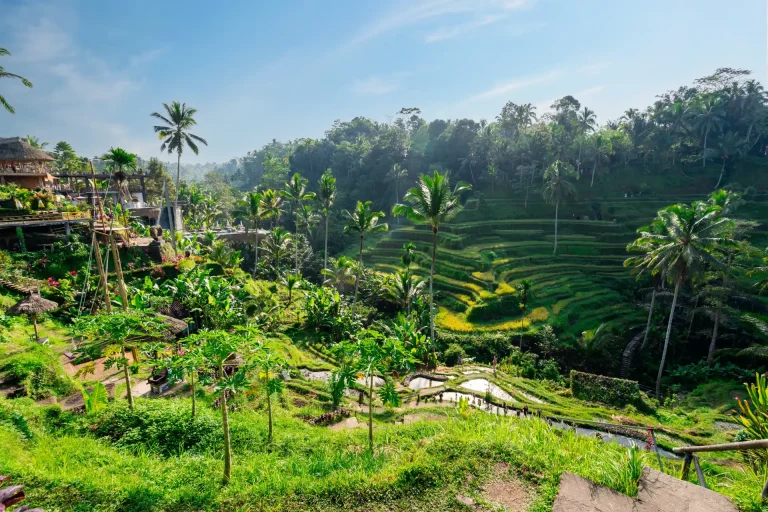
Unlike the crowded beaches of southern Bali, the road leading into the central highlands reveals another side of the island. As someone who grew up exploring the mountain villages around Kintamani, I have always appreciated how this region changes with every kilometer. Rice terraces gradually give way to dense forests, temperatures become noticeably cooler, and clouds often drift across volcanic ridges throughout the day. This drive itself becomes part of the experience rather than simply a way to reach your destination.
Why This Route Is One of Bali’s Best Day Trips
Many visitors only know Bali through beaches, beach clubs, and temples overlooking the ocean. Northern Bali tells a different story. Here, mountain lakes, rainforest, coffee plantations, and hidden waterfalls dominate the landscape.
Starting at Handara Gate before continuing toward Banyumala Waterfall creates a balanced itinerary. The morning is perfect for photography while soft mountain light illuminates the iconic gate. Later, the trek to Banyumala becomes a refreshing escape during the warmer hours of the afternoon.
The entire journey also passes through one of Bali’s most scenic regions around Bedugul, making every stop worthwhile.
Morning Stop: The Famous Handara Gate
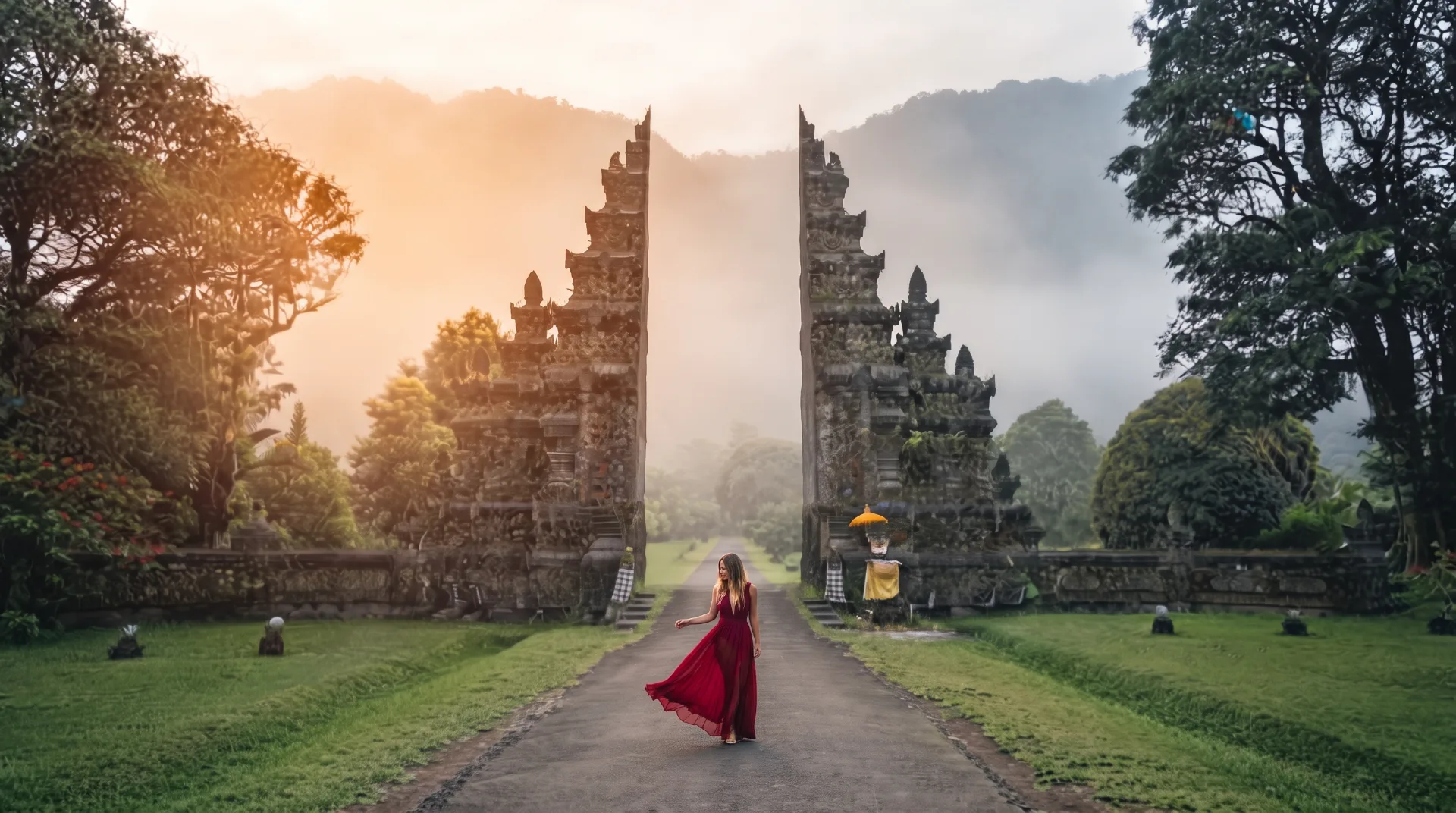
Few landmarks have gained international popularity as quickly as Handara Gate. Originally built as the entrance to Handara Golf & Resort Bali, the traditional Balinese split gate has become one of the island’s most photographed attractions.
The gate itself follows the classic Candi Bentar architectural style, representing the symbolic entrance between the outer world and a sacred space. Although the gate now serves as an entrance to a golf resort rather than a temple, its majestic proportions, volcanic stone carvings, and mountainous backdrop create an unforgettable visual.
The surrounding elevation of around 1,200 meters above sea level gives Handara its distinctive atmosphere. Early mornings are often wrapped in mist, creating dramatic photographs that feel almost mystical.
The combination of traditional Balinese architecture, cool mountain air, and lush greenery explains why photographers, honeymooners, and social media creators continue to visit throughout the year.
Best Time to Visit Handara Gate
Timing makes a significant difference.
Arriving between 7:00 AM and 9:00 AM provides several advantages. The lighting remains soft, temperatures stay pleasant, and visitor numbers are generally lower than later in the day.
By late morning, tour buses begin arriving from southern Bali, creating longer queues for photos.
During the rainy season, the gate often appears surrounded by low-hanging clouds, adding an atmospheric quality rarely found elsewhere on the island.
If you’re fortunate, drifting mountain fog will move across the background, transforming every photograph within minutes.
Photography Tips at Handara Gate
The famous reflection effect often seen online is usually created using a small mirror or smartphone reflection accessory placed beneath the camera lens rather than actual standing water.
Wide-angle lenses work well for capturing the full height of the gate, while portrait lenses create a stronger separation between the subject and background.
Neutral-colored clothing tends to complement the dark volcanic stone, while brighter colors such as red, yellow, or white stand out beautifully against the surrounding greenery.
Morning light also reduces harsh shadows, making editing easier afterward.
Continuing the Scenic Drive
Leaving Handara Gate, the road winds deeper into Bali’s northern highlands.
The drive itself becomes one of the highlights.
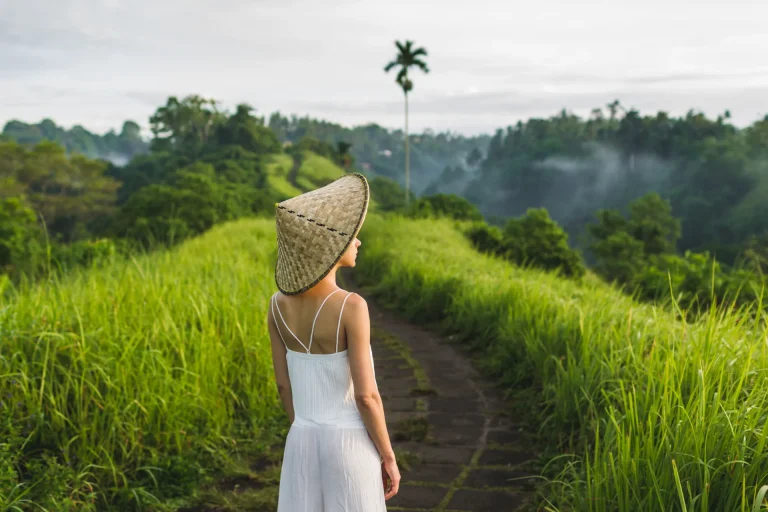
Coffee plantations line portions of the road, local farmers carry fresh vegetables to roadside markets, and mountain forests provide constant shade. During certain months, hydrangea gardens bloom along the roadside, adding vibrant colors to the landscape.
This section of Bali remains noticeably quieter than Ubud or Canggu.
Instead of cafés filled with digital nomads, visitors pass small villages where traditional Balinese life continues much as it has for generations.
The journey toward Banyumala Waterfall usually takes around 30 to 40 minutes, depending on traffic and weather conditions.
Arriving at Banyumala Waterfall
Unlike many waterfalls that require only a short walk from the parking area, Banyumala rewards visitors with a more immersive jungle experience.
The entrance path descends gradually through tropical forest, crossing shaded trails surrounded by towering trees, ferns, and birdsong.
The trek takes approximately 15 to 20 minutes downhill.
While the path has improved considerably in recent years, comfortable walking shoes remain highly recommended, especially after rainfall when sections can become slippery.
Fortunately, the return hike, although uphill, remains manageable for most travelers with average fitness.
Discovering the Twin Cascades
The first sight of Banyumala Waterfall often surprises visitors.
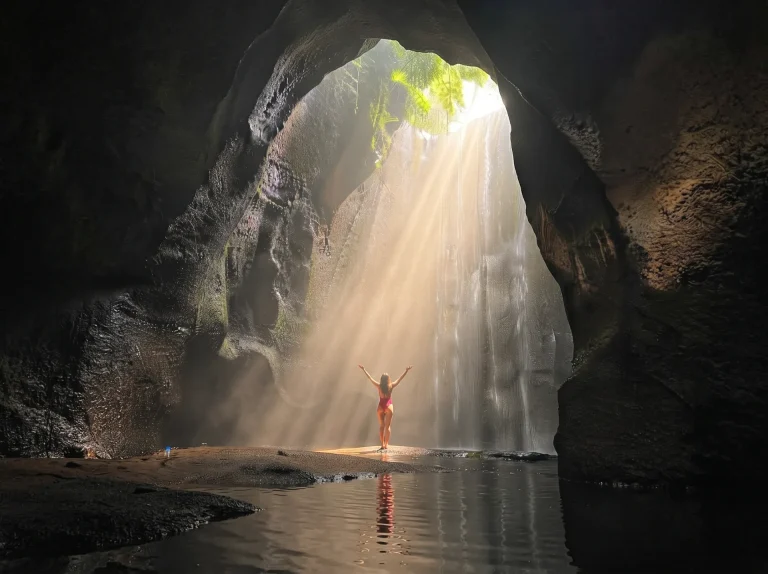
Instead of a single powerful stream, two elegant waterfalls descend side by side into a broad emerald pool.
This unique twin formation gives Banyumala its distinctive identity and creates a peaceful atmosphere rarely found at Bali’s more famous waterfalls.
Large volcanic rocks surround the pool, while thick jungle vegetation encloses the entire valley, reducing outside noise and creating a natural sanctuary.
Unlike waterfalls with powerful currents, Banyumala’s pool remains relatively calm, allowing visitors to swim safely under normal conditions.
The water stays refreshingly cool throughout the year thanks to its mountain source.
Swimming at Banyumala Waterfall
Swimming here becomes one of the highlights of the journey.
After the downhill trek, entering the crystal-clear mountain water provides immediate relief from the tropical humidity.
The pool is deep enough for swimming in many sections, although visitors should always assess current conditions and follow local safety advice, especially after heavy rain.
Because Banyumala receives fewer visitors than waterfalls closer to Ubud, it often feels surprisingly peaceful.
Early afternoon usually offers the clearest water before larger groups arrive.
The Best Season to Visit
Both dry and rainy seasons offer unique experiences.
During the dry season, trails become easier to navigate, visibility improves, and water clarity reaches its best.
The rainy season transforms the surrounding forest into an even greener landscape while increasing the waterfall’s flow. However, visitors should exercise extra caution because rocks and trails may become slippery.
Morning visits generally provide the most enjoyable conditions regardless of season.
Suggested One-Day Itinerary
A well-planned itinerary allows visitors to experience both destinations comfortably without feeling rushed.
Depart from Ubud around 6:30 AM or from southern Bali around 5:30 AM. Reach Handara Gate shortly after opening hours for photographs before the crowds build.
After spending approximately one hour at the gate, continue driving toward Banyumala Waterfall while enjoying scenic viewpoints along the way.
Arrive at Banyumala before midday, complete the jungle trek, swim beneath the twin waterfalls, and enjoy lunch afterward at one of the local warungs overlooking the mountains.
On the return journey, travelers can also stop at nearby viewpoints overlooking Lake Buyan and Lake Tamblingan if time permits.
Practical Travel Tips
Because this route passes through Bali’s highlands, bringing a light jacket is advisable. Morning temperatures can feel surprisingly cool compared to the coastal areas.
Comfortable trekking shoes make the descent to Banyumala significantly easier than sandals or flip-flops.
Carrying a waterproof bag protects cameras and electronics if you plan to swim.
Visitors should also bring drinking water, insect repellent, and a towel, especially if spending several hours at the waterfall.
For photographers, a microfiber cloth helps remove moisture caused by mountain mist.
Why This Route Captures the Real Spirit of Northern Bali
What makes this journey memorable is not simply the destinations themselves but the contrast between them.
Handara Gate celebrates Bali’s architectural heritage through one of the island’s most recognizable landmarks. It offers a moment of elegance, symmetry, and cultural symbolism framed by mountain scenery.
Banyumala Waterfall, on the other hand, represents Bali’s untouched natural beauty. Here, the sound of flowing water replaces the bustle of tourist hotspots, and the forest reminds visitors that much of the island remains wonderfully wild.
Traveling between these two places also reveals everyday life in Bali’s highlands. Farmers tending vegetable fields, roadside fruit stalls, mountain temples hidden among the trees, and winding roads through dense rainforest create experiences that many visitors miss when staying only in southern Bali.
For travelers looking beyond Instagram-famous locations, this Northern Bali route delivers something far more meaningful. It combines iconic photography with genuine adventure, cool mountain landscapes with tropical rainforest, and cultural landmarks with natural wonders. Whether it is your first visit to Bali or your fifth, the journey from Handara Gate to Banyumala Waterfall offers an authentic glimpse into the quieter, greener, and more timeless side of the Island of the Gods.