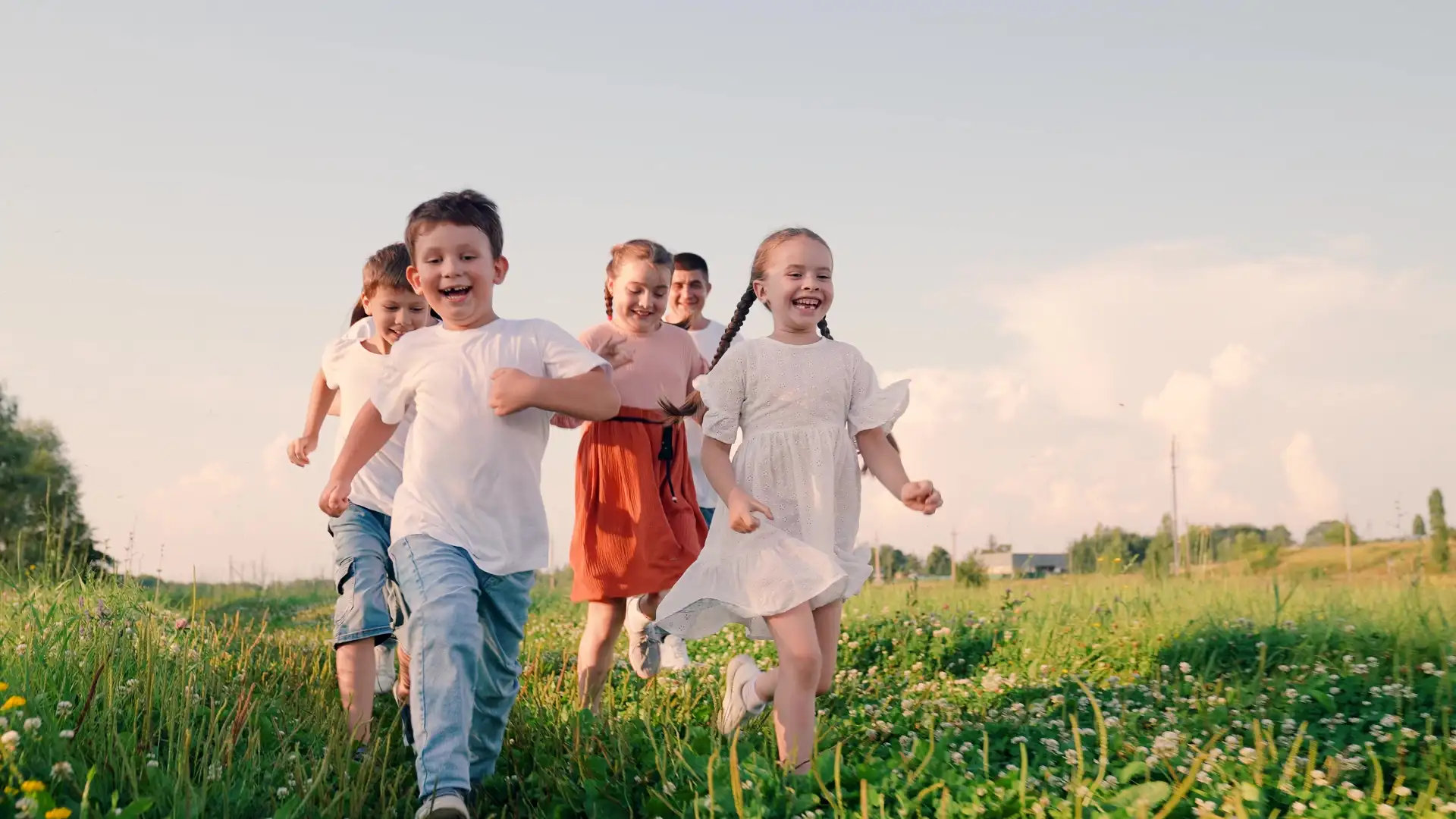
July is a magical window for a family vacation in Bali. It brings clear skies, low humidity, and a refreshing evening breeze that marks the height of the island's dry season. For families escaping the winter chill of Australia or enjoying the long summer break from Europe and the US, it is tempting to stick to the predictable orbit of resort swimming pools and commercial theme parks.
But Bali holds a far greater gift for your children: a vibrant, living culture that invites young travelers to step inside rather than just observe.
By steering your holiday toward immersive cultural encounters, you transform a simple break from school into a transformative journey. These experiences spark curiosity, foster deep empathy, and expand a child's worldview in a way no classroom ever could. Here are five deeply engaging, kid-friendly cultural experiences to add to your July itinerary.
Overview: Things to do in Bali with Kids in July
- Crafting Workshops: Join a resort or cultural center session to build canang sari (palm-leaf offerings), teaching kids the foundational principles of daily mindfulness and gratitude.
- Interactive Temples: Take a respectful morning tour of Tirta Empul to feed the massive koi fish and experience the sensory magic of flowing sacred springs.
- Sunset Visual Storytelling: Watch the jaw-dropping Kecak Fire Dance on the sea-facing cliffs of Uluwatu to see ancient epics brought to life without digital screens.
- Communal Dining (Megibung): Experience a traditional shared-plate feast that introduces children to communal unity, easily customized with delicious, non-spicy Balinese flavors.
- Highland History Explorations: Venture up to Pura Ulun Danu Batur in Kintamani to witness mountain architecture and explore a vibrant Chinese shrine that reveals Bali's historical trading heritage.
1. Hands-on Crafts: The Art of Creating Canang Sari
Children learn best through their hands. Instead of simply looking at the delicate palm-leaf baskets placed outside every shop and doorstep, let your kids sit down with a local artisan to make one. This daily ritual is a cornerstone of Balinese life.
Learning the intricate folding of palm leaves and selecting vivid blossoms teaches kids the deep structural meaning behind these artistic creations. It introduces young minds to the concept of taking time out of every single day to express gratitude for the world around them.
The Lesson in Worldview: It reframes the concept of daily chores or routines from obligations into creative acts of mindfulness and appreciation.
To discover the exact geometric rules and spiritual colors behind these offerings, read our specialized breakdown:
Tips for Parents
- Best Time: Late morning, when the day’s first heat sets in and a quiet indoor or shaded activity is a welcome relief.
- What to Wear: Comfortable resort wear; no formal temple dress code is required for standalone workshops.
- Safety: Very young children will need help handling the tiny bamboo pins (semat) used to hold the leaves together.
2. Mindful Water Purification: Exploring Tirta Empul Temple
While the beach resorts are warm, central Bali offers a cooler backdrop perfect for a historic field trip. Tirta Empul is an iconic 10th-century water temple where crisp mountain springs feed clear, stone-lined pools. For kids, it is a magnificent sensory kingdom. They can watch water bubbling up straight through the volcanic sand in the inner courtyard.
Rather than participating in the formal bathing ritual—which can sometimes be overwhelming for small children due to crowds and temperature-focus on a gentle stroll through the complex.
The Giant Koi of the Inner Sanctum
The real magic for children happens at the massive, clear pools toward the back of the temple. These waters are home to hundreds of giant, swirling koi fish. For a nominal fee, children can purchase small bags of food to feed them. Watching the vibrant orange, gold, and white fish gather beneath ancient, moss-covered stone spires is an unforgettable highlight.
Tips for Parents
- Best Time: Arrive by 8:00 AM to beat the heavy midday tour crowds and ensure a peaceful atmosphere.
- What to Wear: Both adults and children must wear a traditional sarong and sash around the waist, which are provided at the entrance ticket booth.
- Safety: Hold hands closely around the wet stone edges of the pools, as they can become slippery.
3. Sunset Visual Storytelling: The Uluwatu Kecak Fire Dance
Perched on a sheer cliff face dropping 70 meters into the roaring Indian Ocean, the sunset performance at Pura Luhur Uluwatu is the ultimate introduction to oral storytelling. The Kecak dance features no musical instruments. Instead, a choir of over 50 men uses rhythmic vocal chanting-producing a hypnotic "chak-chak-chak" sound-to create a living soundtrack.
The performance adapts chapters of the classic Ramayana epic, presenting an exciting story filled with a kidnapped princess, a brave prince, and Hanoman, the mischievous white monkey god. The combination of fire, dramatic ocean views, physical comedy, and intense energy keeps children utterly captivated from start to finish.
The Lesson in Worldview: It shows children how powerful storytelling can be when stripped of digital screens, relying purely on human voice, movement, and expression to create a spectacular experience.
Tips for Parents
- Best Time: The show starts around 6:00 PM, but you should arrive by 4:30 PM to secure your theater seats before the golden hour sunset.
- What to Wear: Breathable clothing. Bring a light sweater or jacket, as the ocean breeze on the open cliffside gets surprisingly cool after dark.
- Safety: Uluwatu is famous for its wild macaque monkeys. Keep your sunglasses, hats, loose cameras, and snacks zipped securely inside a backpack while walking to the amphitheater.
4. Communal Dining: The Art of Megibung
Food is one of the fastest paths to understanding a new culture, and Megibung takes this to a beautiful level. Originating from the royal courts of Karangasem, this traditional dining style features a group of people sitting in a circle to share an abundant mound of rice surrounded by various side dishes placed on a large circular platter or banana leaf.
It is a fantastic experience for a family dinner. It strips away formal table manners and replaces them with a warm, shared experience that highlights unity and equality.
Keen to learn about the royal history and social etiquette of this shared-plate tradition? Explore our dedicated feature:
Crafting a Kid-Friendly Megibung
Traditional Balinese food can be deeply spicy, but restaurants specializing in family-friendly cultural dining are happy to customize the platter. Order a non-spicy version featuring:
- Sate Lilit Ayam: Minced chicken skewers mixed with grated coconut and grilled over open embers—naturally sweet and easy for kids to eat.
- Ayam Pelalah: Tender shredded roast chicken seasoned with mild aromatic herbs (ask for the chili paste to be served on the side).
- Perkedel Jagung: Super crispy sweet corn fritters that are an instant hit with younger travelers.
Tips for Parents
- Best Time: Plan this for a relaxed dinner after a busy afternoon of sightseeing.
- What to Wear: Smart-casual holiday attire. You will often sit on woven bamboo floor mats (lesehan), so choose comfortable clothing that allows you to sit cross-legged easily.
- Safety: Always wash hands thoroughly before the meal, as authentic Megibung is traditionally enjoyed using your right hand instead of cutlery.
5. The Sacred Water Temple: Pura Ulun Danu Batur
Escape the warm coastal plains entirely by driving into the dramatic Kintamani highlands. Perched high on the volcanic caldera rim sits Pura Ulun Danu Batur, the second most important temple complex in Bali, dedicated to Dewi Danu, the goddess of lakes and rivers.
While kids will be awed by the soaring, multi-tiered black thatched roofs (meru) that look like something straight out of a fantasy story, the complex holds a wonderful historical surprise in its inner courtyards.
The Hidden Chinese Shrine
Tucked inside this deeply sacred Hindu complex is a distinct shrine adorned with bright red pillars, lanterns, and classic Chinese decorations. This shrine is dedicated to Kang Cing Wie, a legendary Chinese noblewoman who married the 12th-century Balinese King Sri Jaya Pangus.
Walking through this courtyard gives children a front-row seat to global history. It vividly illustrates how Bali has welcomed, integrated, and celebrated different cultures, languages, and faiths for hundreds of years.
To check opening times, driving routes, and the captivating full history of this highland complex, visit our complete destination hub:
https://thebaliinsider.com/destination/bangli/kintamani/pura-ulun-danu-batur-the-sacred-water-temple-of-kintamani-with-a-hidden-chinese-shrine
Tips for Parents
- Best Time: Early morning to mid-afternoon. By 3:00 PM, the mountain fog rolls in, which is beautiful but can get quite cold and reduce visibility for driving.
- What to Wear: Traditional sarong and waist sash are mandatory. Because Kintamani is located nearly 1,000 meters above sea level, bring a warm sweater or jacket for everyone.
- Safety: The drive up the mountain involves winding roads. If your children are prone to motion sickness, plan ahead with appropriate remedies before starting the journey.