For many international travelers, Uluwatu Temple is the moment Bali reveals its dramatic soul. Perched high above the Indian Ocean, this sacred site is often the first encounter with Bali’s spiritual landscape, where mythology, ritual, and raw nature meet. If this is your first time to Uluwatu Temple, consider this a calm, respectful guide written from the island itself, not just a checklist, but a story you step into.
Experience
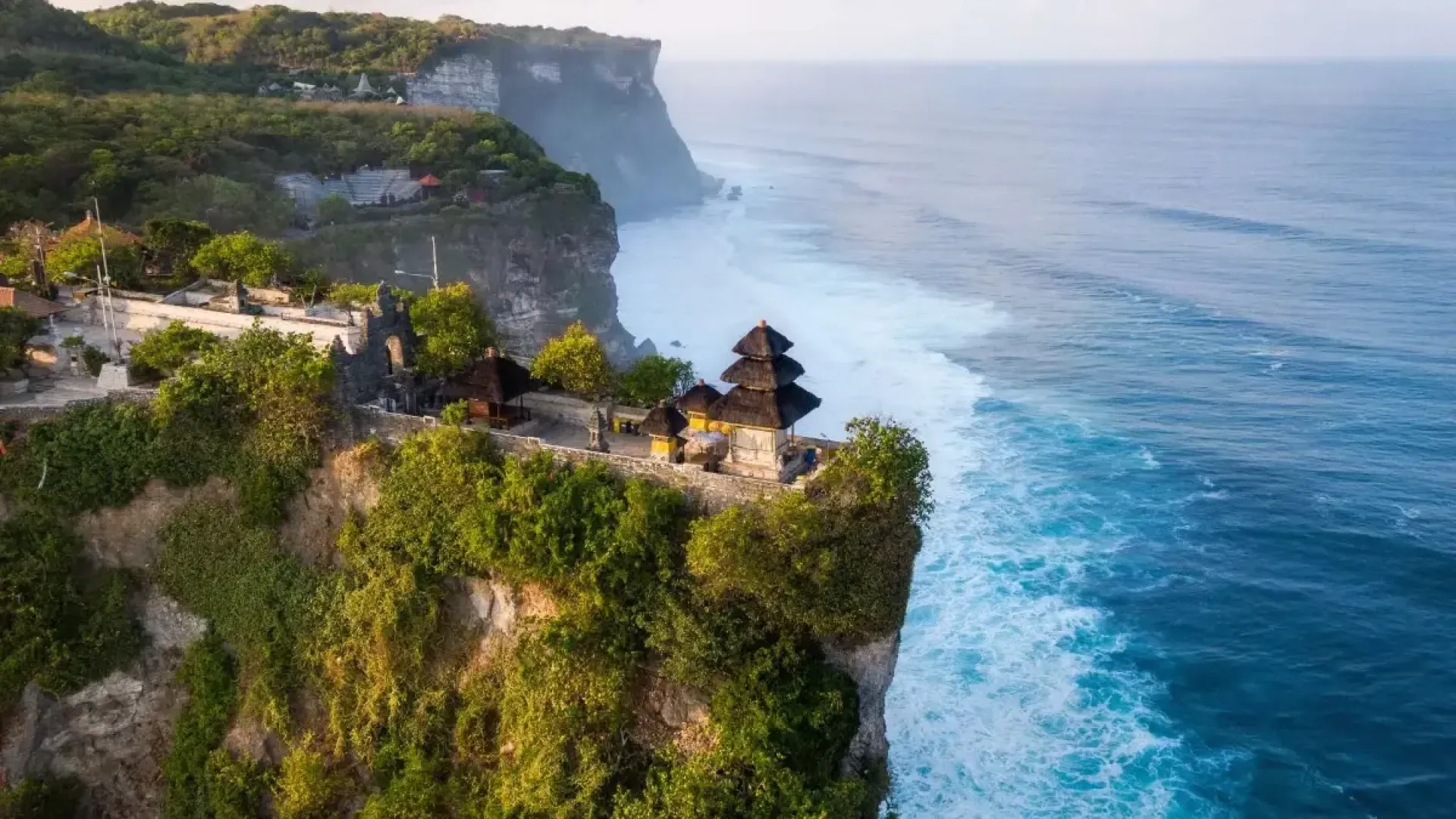
The name Uluwatu comes from two Balinese words: ulu meaning edge and watu meaning rock. True to its name, the temple stands on the edge of a 70 meter cliff, projecting boldly into the sea. Local folklore tells that this rock was once part of Dewi Danu’s petrified barque, grounding the temple not only in stone but in story.
While a modest shrine may have existed earlier, Uluwatu Temple took its present form in the 11th century through the influence of Empu Kuturan, a revered Javanese sage. Centuries later, in the 16th century, Dang Hyang Nirartha introduced the padmasana shrine here. It is believed he attained moksha at this very spot, an event known locally as ngeluhur, to ascend. From this moment, the temple earned its sacred epithet, Luhur, meaning elevated or exalted.
Uluwatu is not only protected spiritually but also legally. Today, it is governed by both customary law and provincial regulations that define sacred zones around the temple. After years of legal tension between state planning and village tradition, a balanced zoning system was established. Uluwatu Temple is classified as a Type II sacred site, with a core zone, buffer zone, and utilization zone that protect its spiritual integrity while allowing community life to continue. For visitors, this means the cliffs, forests, and pathways you walk through are preserved with intention, not coincidence.
Reaching Uluwatu Temple from Ngurah Rai International Airport takes around 50 minutes by car or about 42 minutes by motorcycle, depending on traffic. The journey itself is part of the transition, moving from urban Bali to limestone cliffs and open sea.
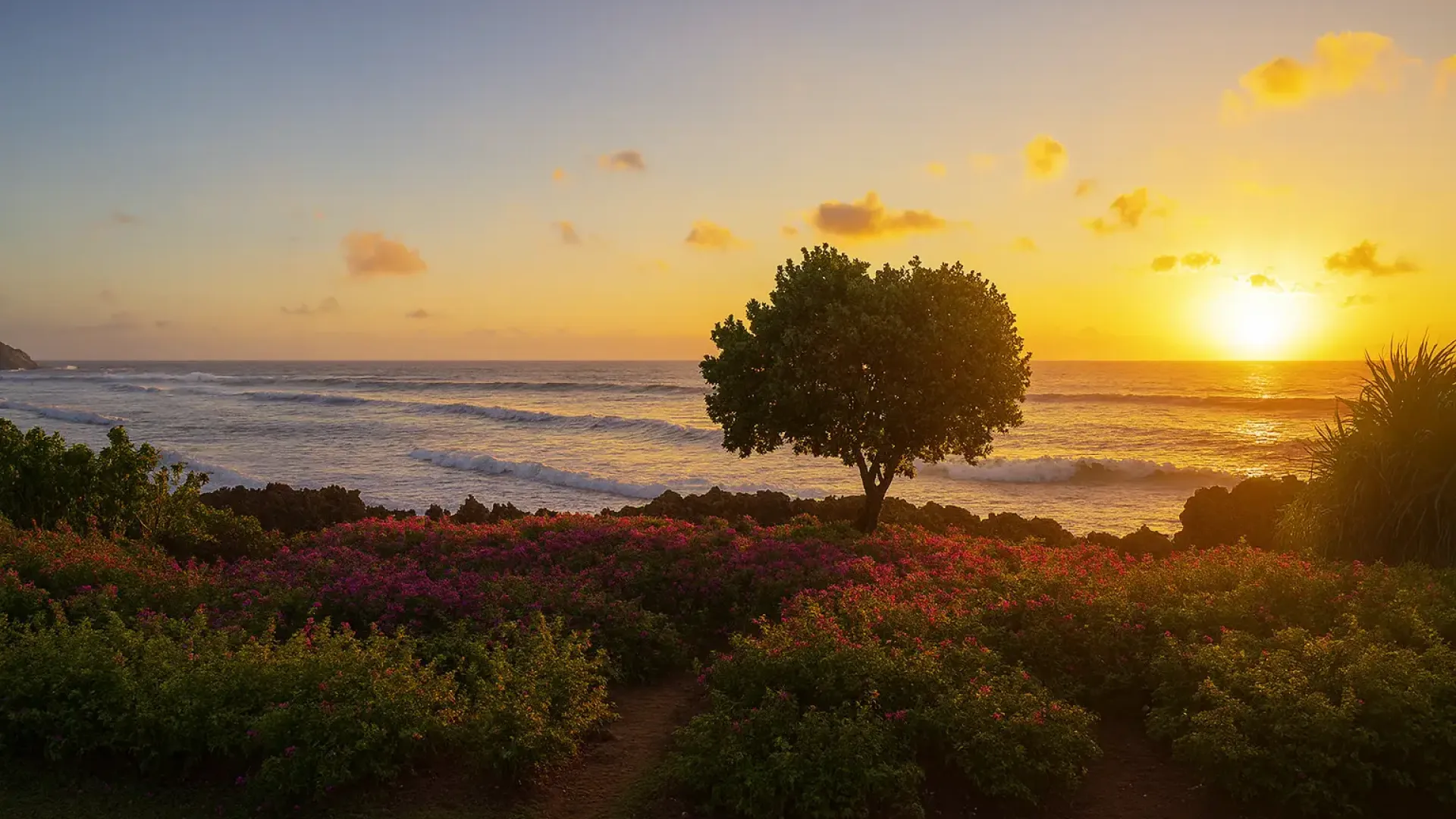
One unforgettable part of the experience is the sunset. As daylight softens, the ocean below turns copper and gold. Just before dusk, the famous Kecak Fire Dance begins, performed on an open-air stage overlooking the sea. The chanting, the fire, and the horizon align in a way that feels both theatrical and deeply ritual.
Reflection
First-time visitors often hear warnings about the monkeys, and yes, they are clever, fast, and occasionally mischievous. Still, they are part of the temple’s ecosystem and sacred guardians of the forest. Understanding them is the key to staying safe.
Know which monkeys are aggressive. Avoid those holding babies, eating, fighting, or showing bald patches. Remove jewelry before entering. Necklaces, bracelets, earrings, and even phones can attract attention. Do not bring snacks or drinks into the area. Avoid direct eye contact, which monkeys perceive as a challenge. If something is taken, never hit or chase them. Calmly ask temple staff for assistance.
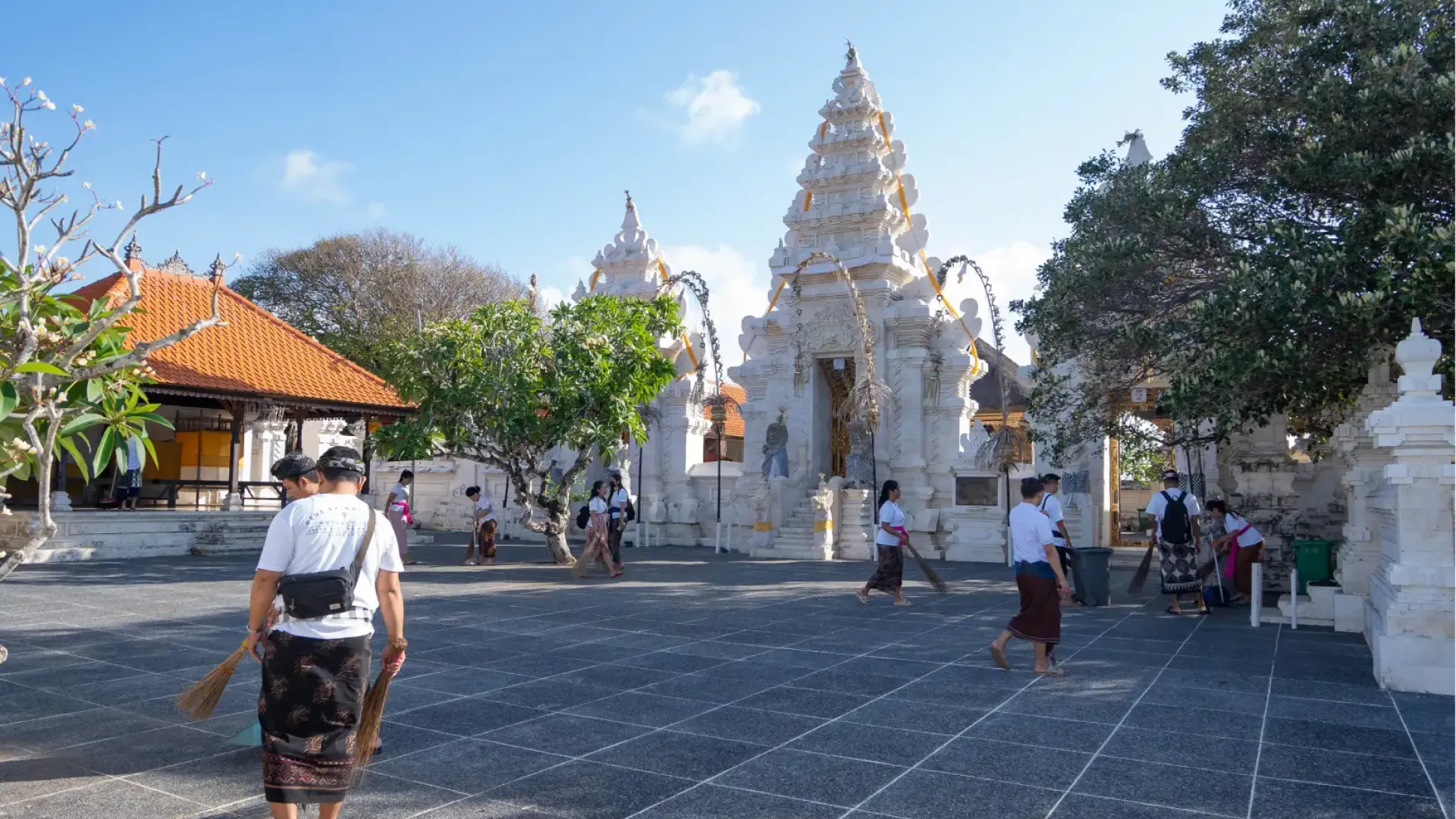
Dress respectfully. As one of Bali’s major temples, modest attire is required. Sarongs and sashes are provided free at the entrance, even if your clothing already covers your knees. Bare shoulders are generally accepted, but covering them shows deeper respect.
Plan your visit with intention. Uluwatu Temple is open daily from 07:00 AM to 07:00 PM. Entrance fees for international visitors are IDR 50,000 for adults and IDR 30,000 for children. The ticket does not include parking or the Kecak Dance, which requires a separate purchase. Arriving before 5:00 PM allows you to explore calmly before sunset crowds gather.
Follow the temple’s do’s and don’ts. Wear the sarong and sash, behave respectfully, secure your belongings, and stay within permitted areas. Do not feed the monkeys, use drones, bring food, or enter restricted sacred zones. Women on their period are traditionally not allowed to enter the temple area, a customary rule observed across Balinese Hindu temples.
Facilities are thoughtfully provided. You will find clean public toilets, shaded gazebos, a wantilan pavilion, spacious parking, first aid and ambulances, wheelchair access, prayer rooms, warungs, souvenir shops, ATMs, and even EV charging stations.
Conclusion
Visiting Uluwatu Temple for the first time is not about ticking off a landmark. It is about standing at the edge of land and belief, feeling how Bali holds its sacred spaces with care and quiet strength. Walk slowly, dress respectfully, watch the sunset, and let the chants linger. Uluwatu is not only a place you see, it is a place that stays with you long after you leave the cliff
Image Source: badungkab.go.id