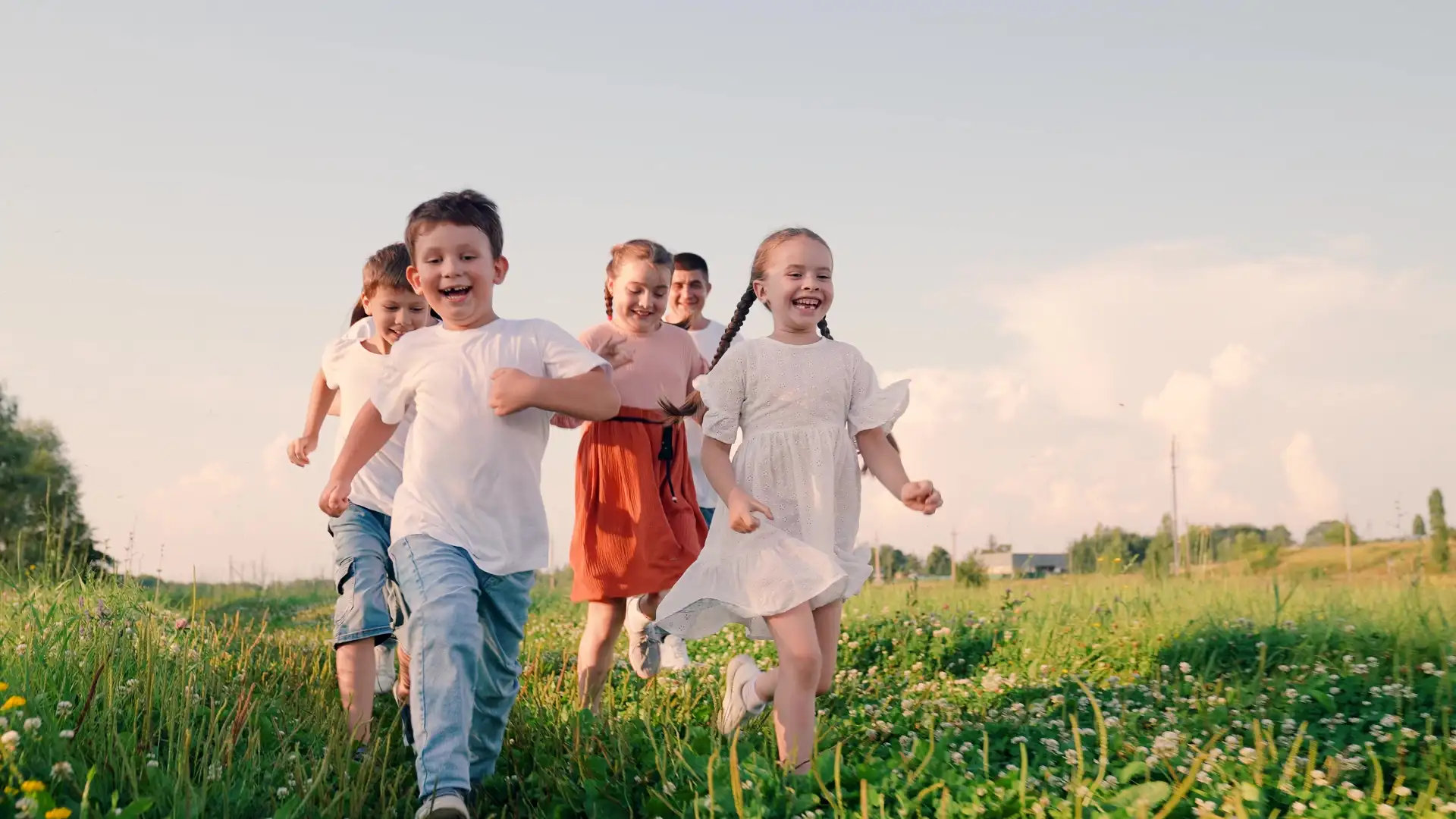
For families planning a getaway, the school holiday calendar often feels like a ticking clock, a high-stakes race to balance pure entertainment with meaningful experiences. It is easy to fall into the predictable rhythm of standard resort kids' clubs and crowded water parks. But Bali offers a rare alternative. Beyond the sun-drenched beaches and infinity pools lies a living, breathing cultural playground where education and adventure blur effortlessly.
When approached with intentionality, a family holiday in Bali becomes more than just a break from school; it becomes a formative journey. It is a place where children can swap screen time for ancient mythology, immersive crafts, and a profound connection to nature and community.
Overview: Quick Highlights for Parents
- When to Visit: The optimal time for a Bali school holiday trip is during the dry season (May to September). You will experience lower humidity, cooler evening breezes, and minimal rainfall—perfect for outdoor exploration and temple visits.
- Top Family Experiences: Combine active recreation with deep culture. Participate in gentle hands-on workshops like making traditional canang sari, visit interactive temple complexes, and explore inland rice paddies on foot or by bicycle.
- Crucial Travel Logistics: Ensure all passports have at least 6 months validity from your arrival date. Secure your Visa on Arrival (VoA) online beforehand, and complete your Indonesian Electronic Customs Declaration (e-CD) within 72 hours of departure. Most importantly, pre-pay the official Bali Tourist Levy online to bypass long queues at Ngurah Rai International Airport with tired children.
1. Balancing Fun & Culture: Immersive Family Traditions
Traveling with children requires a thoughtful pace, but introducing them to authentic Balinese culture doesn't mean sitting through long, static lectures. Balinese Hinduism is inherently visual, sensory, and woven into every aspect of daily life, making it naturally engaging for young minds.
The Power of a Respectful Greeting
One of the simplest yet most impactful ways to connect your family to the island is by teaching your children how to greet the locals. The traditional Balinese greeting is more than just a "hello", it is a profound acknowledgment of the sacred within each person.
By placing your palms together at chest level in a prayer-like position and bowing slightly, you say, "Om Swastiastu" (meaning "May God bless you and may you be in a state of peace"). When Balinese resort staff, drivers, or villagers see children making this respectful gesture, it immediately sparks a warm, genuine connection.
To understand the deep spiritual roots and proper etiquette behind this gesture, explore our comprehensive guide:
Crafting Canang Sari: A Lesson in Gratitude
Walk down any street in Bali, and you will see canang sari-the small, square palm-leaf baskets filled with vibrant flowers, burning incense, and small tokens of daily gratitude. Many family-friendly resorts and cultural centers offer gentle workshop sessions where children can assemble their own offerings.
This hands-on activity is highly tactile and captivating for kids. They learn the specific meanings behind the colors of the flowers and the directions they face, instilling an early appreciation for mindfulness, gratitude, and artistry.
2. Must-Visit Cultural Landmarks for Kids
Taking children to sacred sites requires selecting places with space to move, striking visuals, and engaging stories. Here are two iconic landmarks that balance breathtaking beauty with interactive cultural history.
Tirta Empul: The Sacred Water Temple
Located near Tampaksiring in central Bali, Tirta Empul is famous for its holy mountain spring water. For families, this temple offers a profound sensory experience. While the central purification pools are reserved for ritual bathing (melukat), children will be mesmerized by the crystal-clear waters bubbling up from the earth in the inner courtyard.
- Why it works for kids: The rear courtyards feature large pools teeming with massive, brightly colored koi fish. Bring a few small coins to purchase fish food at the entrance—feeding these giant fish amid the ancient stone architecture is consistently a highlight for younger travelers.
- Parent Tip: Remind children that this is a highly active place of worship. Ensure everyone wears a traditional sarong and sash (available at the entrance) and maintain a quiet, respectful demeanor near the prayer areas.
Pura Ulun Danu Batur: The Lakeside Citadel
Perched high in the cooler, mist-shrouded highlands of Kintamani, Pura Ulun Danu Batur is one of Bali’s most vital directional temples (Sad Kahyangan), dedicated to the goddess of the lake and rivers. Moving away from the coastal heat to the crisp mountain air provides an instant energy boost for the whole family.
- Why it works for kids: The dramatic multi-tiered shrines (meru) look as though they are floating on water, surrounded by sweeping panoramic views of Mount Batur. The open, expansive temple grounds allow families to walk comfortably without feeling claustrophobic, and the mythological stories of volcanic gods and water spirits provide incredible storytelling material for curious kids.
3. Essential Travel Logistics for a Seamless Arrival
A successful family holiday relies entirely on smooth logistics. Long airport queues and unexpected paperwork can quickly derail the excitement of arrival, especially after a long-haul international flight.
Pre-paying the Bali Tourist Tax/Levy
To protect the island's unique heritage and invest in sustainable infrastructure, the Provincial Government of Bali requires all international tourists to pay a flat entry fee. While you can technically pay this upon arrival, doing so means joining a secondary queue with your luggage and restless children.
The smartest strategy for parents is to pay the Bali Tourist Tax online days before your flight takes off. Once paid via the official portal, you will receive a digital voucher and QR code on your smartphone, allowing your family to breeze through the dedicated fast-lane checkpoints at the airport.
Don't risk getting stuck in transit lines. Read our exact, step-by-step breakdown of how to navigate the system securely:
Smart Packing & Logistics Checklist
- Pack Light, Breathable Layers: Stick to high-quality cotton or linen clothes. Always keep a lightweight scarf or light jacket handy for cooler highland destinations like Kintamani or Bedugul.
- Footwear Matters: Bring comfortable, enclosed walking shoes for temple complexes and uneven paths, alongside standard sandals for the beach.
- Stay Hydrated: Stick exclusively to bottled or filtered water, and ensure your kids carry reusable insulated water bottles to keep drinks cold throughout the day.
By anchoring your itinerary in respect, choosing engaging cultural landmarks, and eliminating airport friction before you depart, your Bali school holiday will be transformed. You will return home not just with souvenirs, but with a family shared perspective shaped by the timeless magic of the Island of the Gods.