Quick Answer: What happens 2 days before Nyepi?
Two days before Nyepi (H-2), Balinese households buzz with a tradition called "making jajanan." Led by local mothers, families prepare traditional snacks like Jaje Bantal (sweet sticky rice with red beans) and Sumping. These treats are essential because no fires or stoves can be lit on Nyepi day. By the following day (H-1), the focus shifts to creating Segehan offerings to balance spiritual energies before the 24-hour total silence begins.
The Heartbeat of the Home
While most travelers know Bali for its beaches, I know it by the sound of a steaming pot and the scent of singed banana leaves. I was born and raised in the highlands of Kintamani, and for us, the countdown to Nyepi isn't just a calendar date—it’s a feeling.
Two days before the "Day of Silence," our homes transform. If you walk through a Balinese village during this time, you won’t just see the scenery; you’ll smell it. This is the time of the mothers. They are the silent engines of our culture, and H-2 is when their magic happens in the kitchen.
The Ritual of the "Little Pillows"
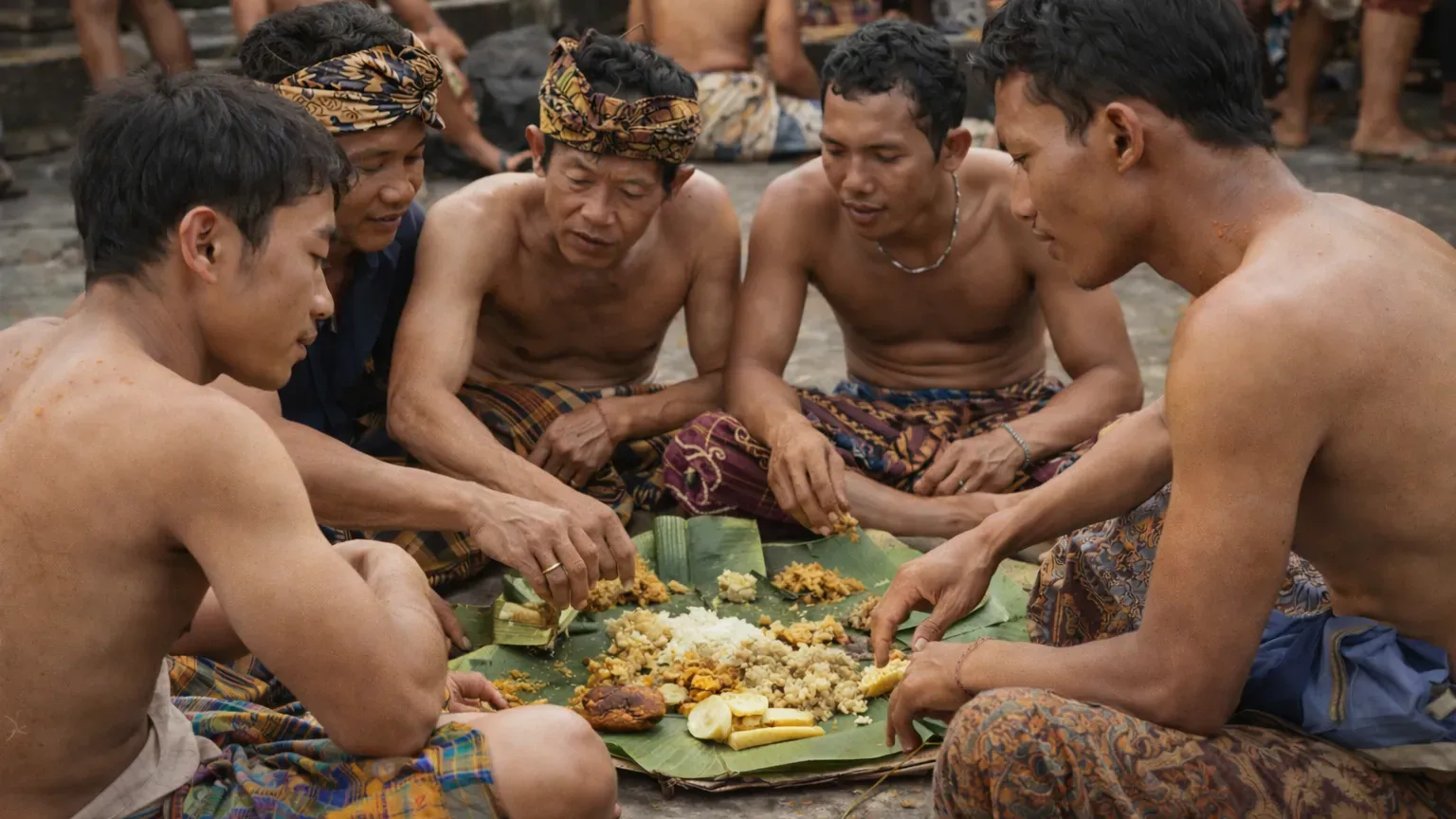
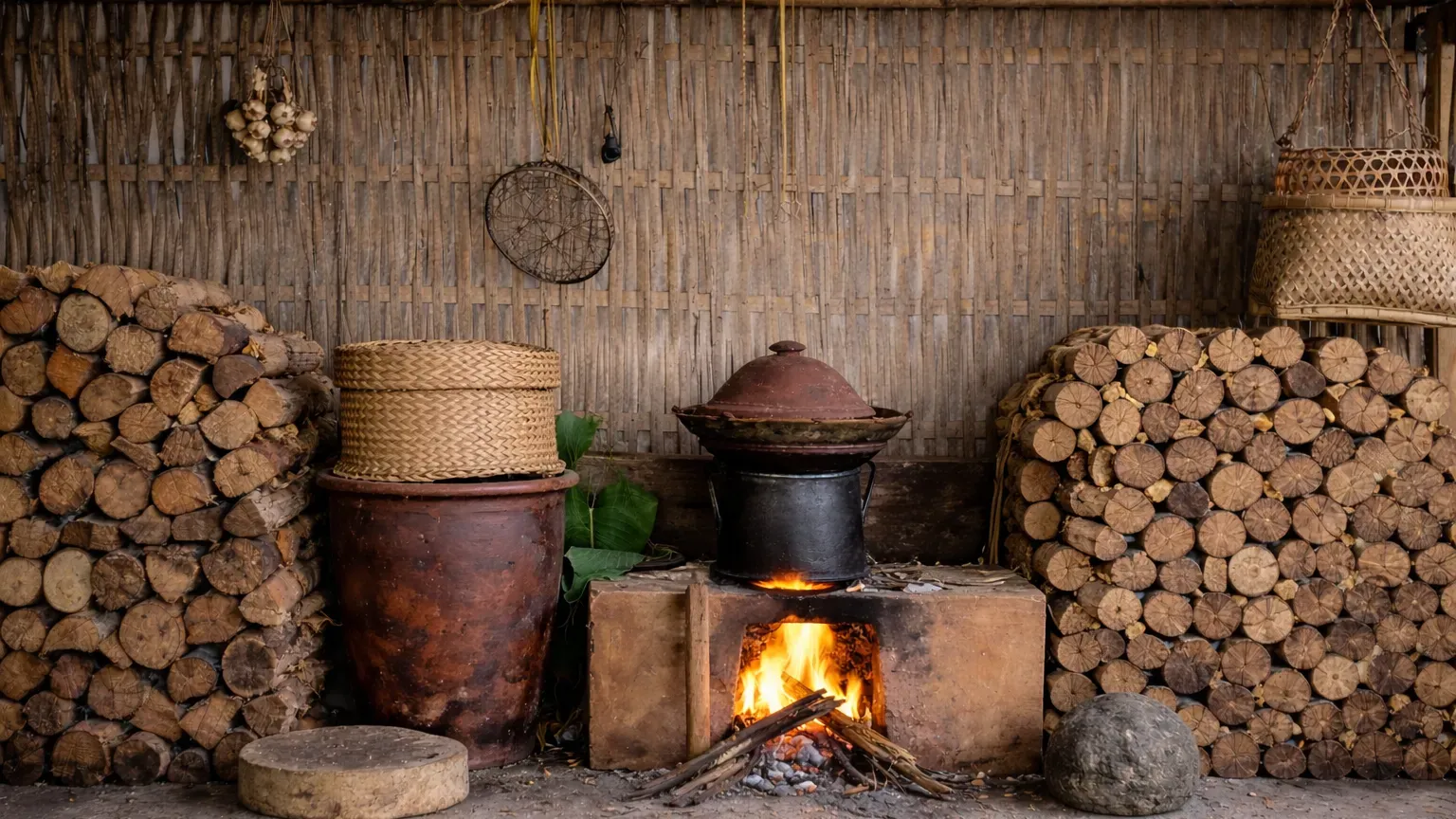
The main event two days before Nyepi is making traditional snacks, or jajanan. Since we aren't allowed to light fires on Nyepi (a rule called Amati Geni), we have to cook everything in advance.
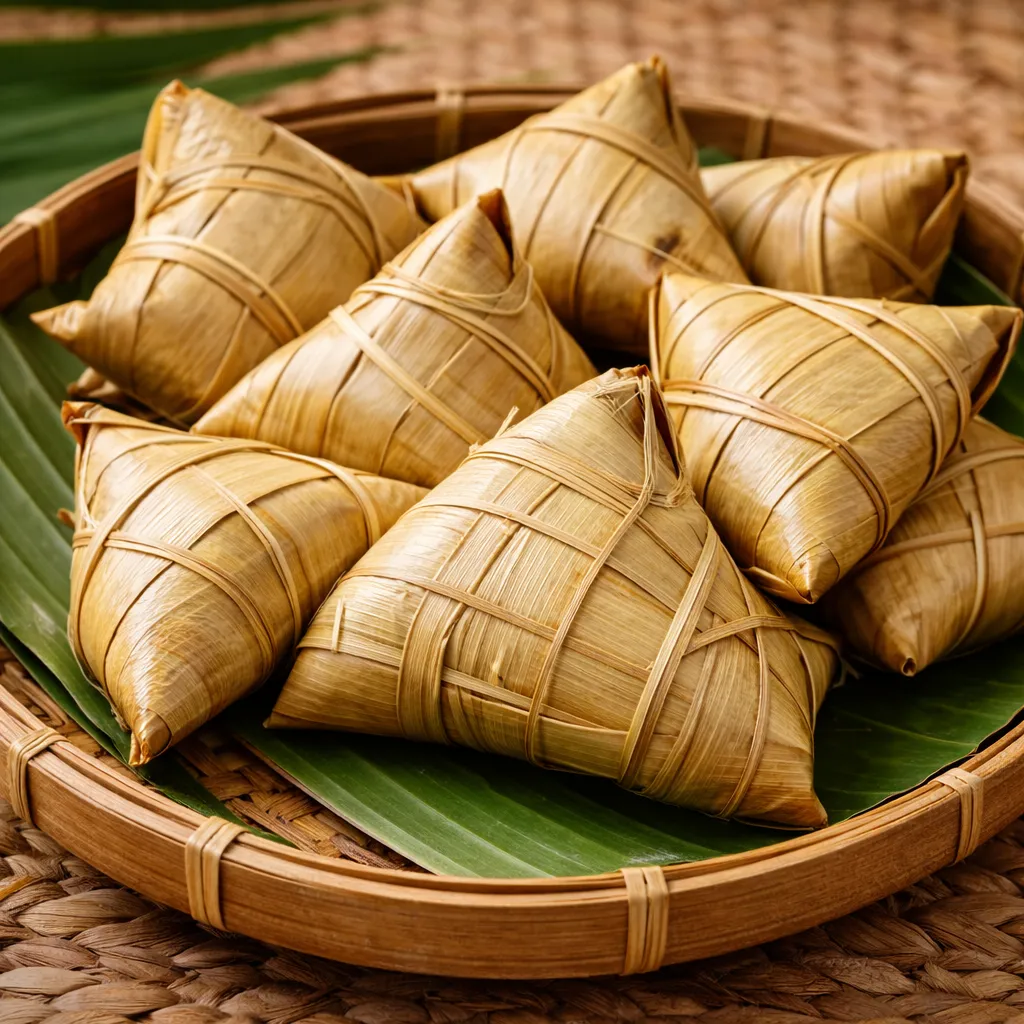
The star of the kitchen is undoubtedly Jaje Bantal. In our language, Bantal means pillow. These are tiny, delicious "pillows" made from sticky rice, grated coconut, and red beans. We wrap them in janur (young coconut leaves) and tie them with thin bamboo strings. It’s a slow, communal process. My mother and the neighborhood women sit together, talking and laughing while their hands move with a speed that only decades of practice can give.
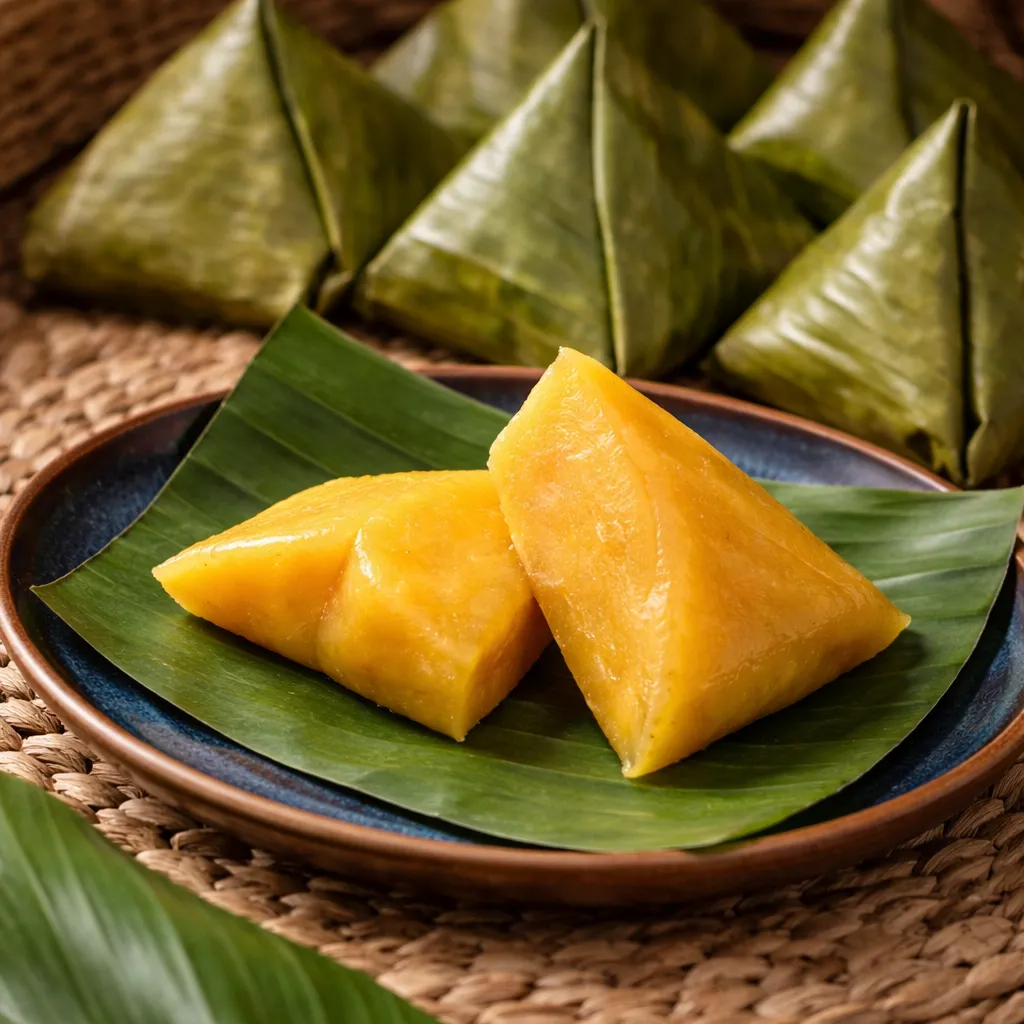
We also make Sumping, a soft rice flour cake steamed in banana leaves, usually hiding a sweet slice of banana or jackfruit inside. These aren't just snacks to us; they are a labor of love that keeps the family fed and the gods honored during the long silence.
H-1: Spiritual Diplomacy
As we move to the day before Nyepi, the atmosphere shifts. The kitchen work is mostly done, and the focus moves to the ground. This is when our mothers prepare Segehan.
To a visitor, a segehan might look like a simple tray of colorful rice and flowers placed on the road. But to us, it’s a form of spiritual diplomacy. We believe in keeping a balance between the seen and the unseen. By placing these offerings at our gates, our mothers are asking for peace and protection, ensuring that the "lower energies" are satisfied so we can enter our day of meditation without any disturbance.
Every Village Has a Different Soul
One thing I always tell friends is that Bali isn’t a monolith. We live by a principle called Desa, Kala, Patra—which means tradition changes depending on the place, time, and situation.
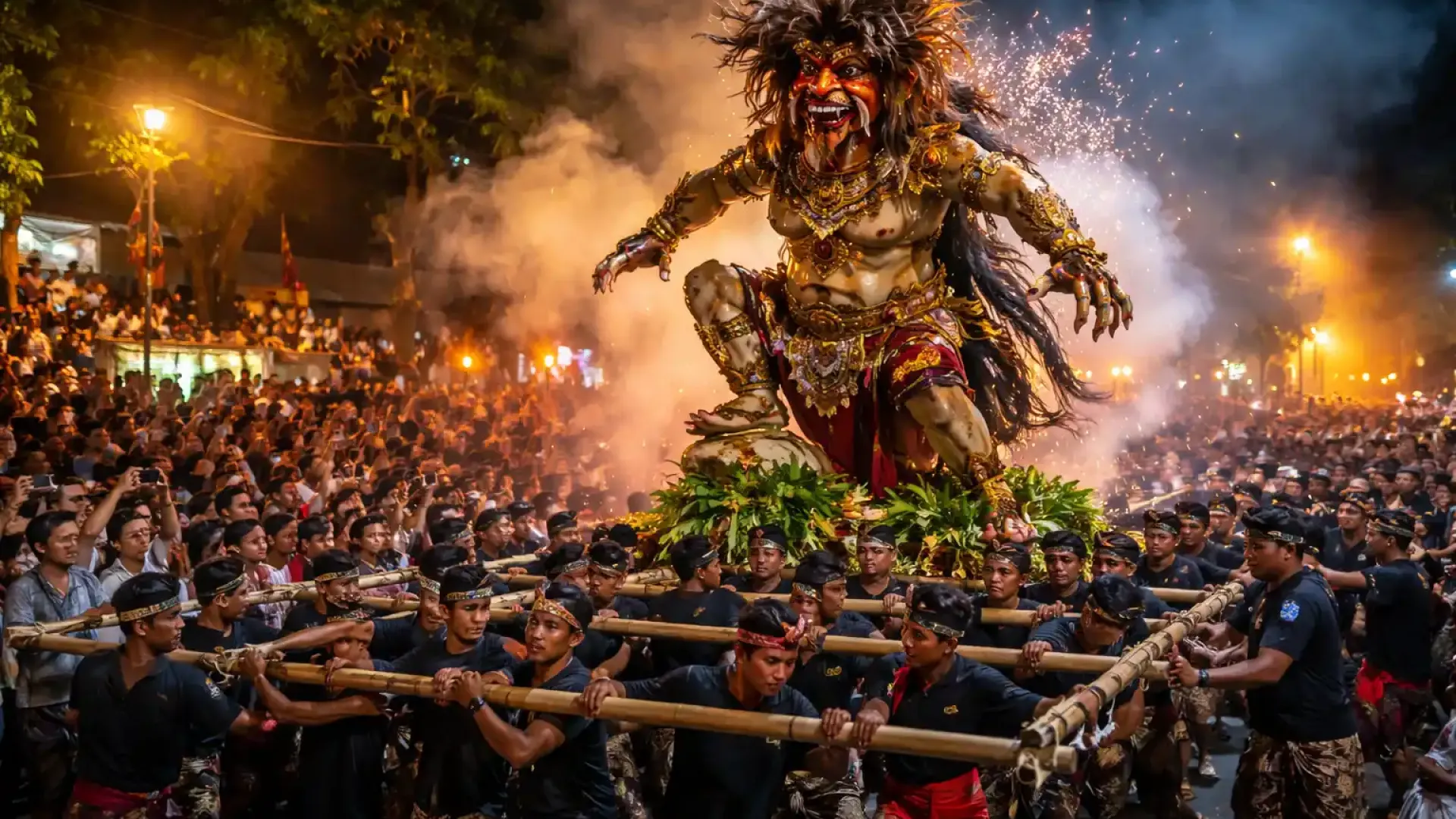
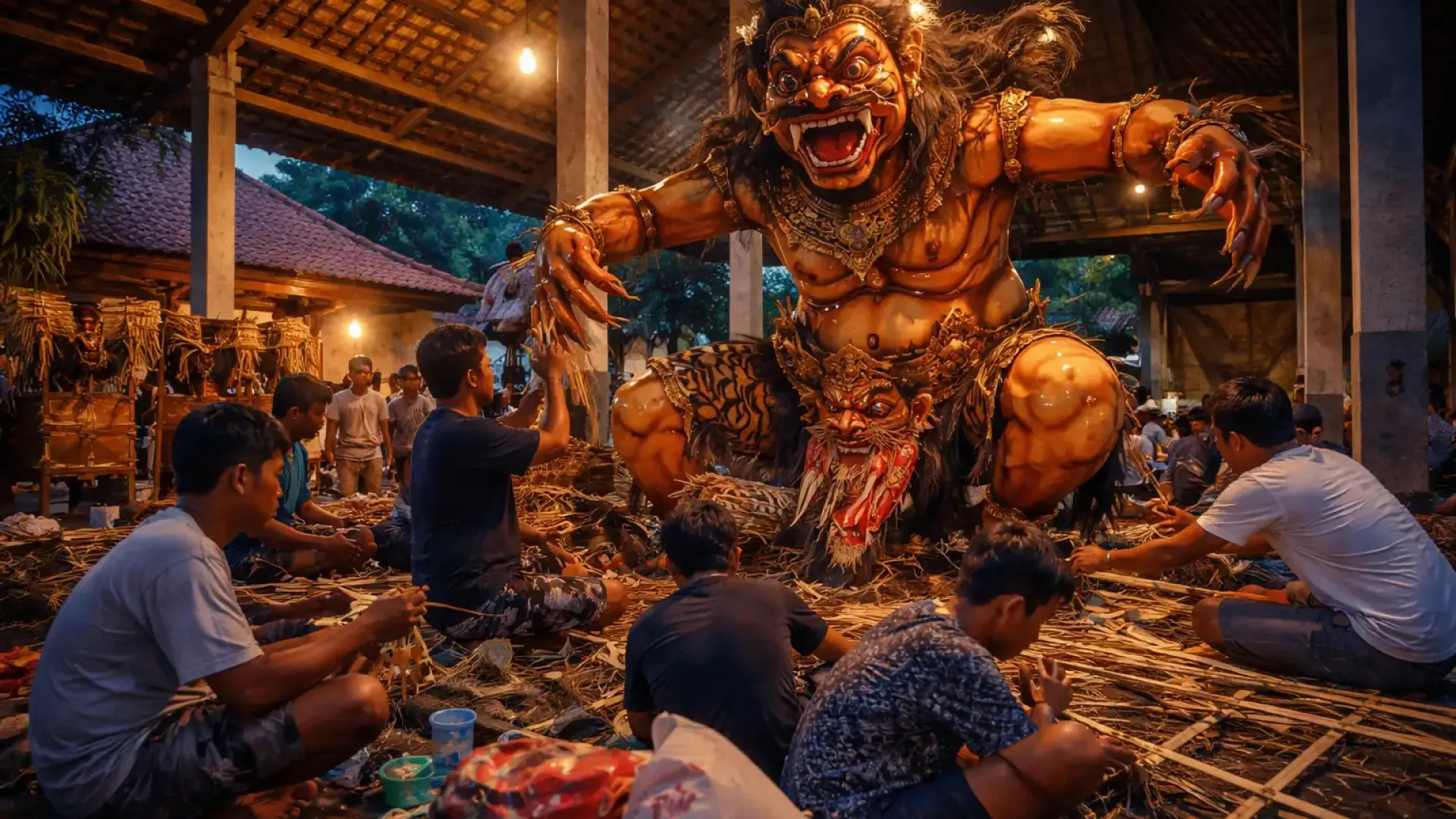
Growing up in Kintamani, our rituals feel a bit different than they do in the coastal heat of Kuta Selatan. In the mountains, we use what the earth gives us there. Our snacks might be a little different, and our ceremonies might feel more rugged and ancient. While the big cities are famous for their giant Ogoh-Ogoh statues, many of our mountain villages prefer a quieter, deeper connection to the old ways. This variety is what makes Bali so beautiful; every village has its own heartbeat.
A Note to Our Guests
If you are lucky enough to be in Bali during this time, take a moment to look past the closed shops and empty streets. Think of the mothers who spent their days weaving leaves and boiling rice.
When you see a small offering on the ground or smell the faint scent of steamed coconut, you are witnessing the backbone of Balinese life. Nyepi is a day of silence, but it is built on days of devotion, hard work, and the sweetest snacks you’ll ever taste.